
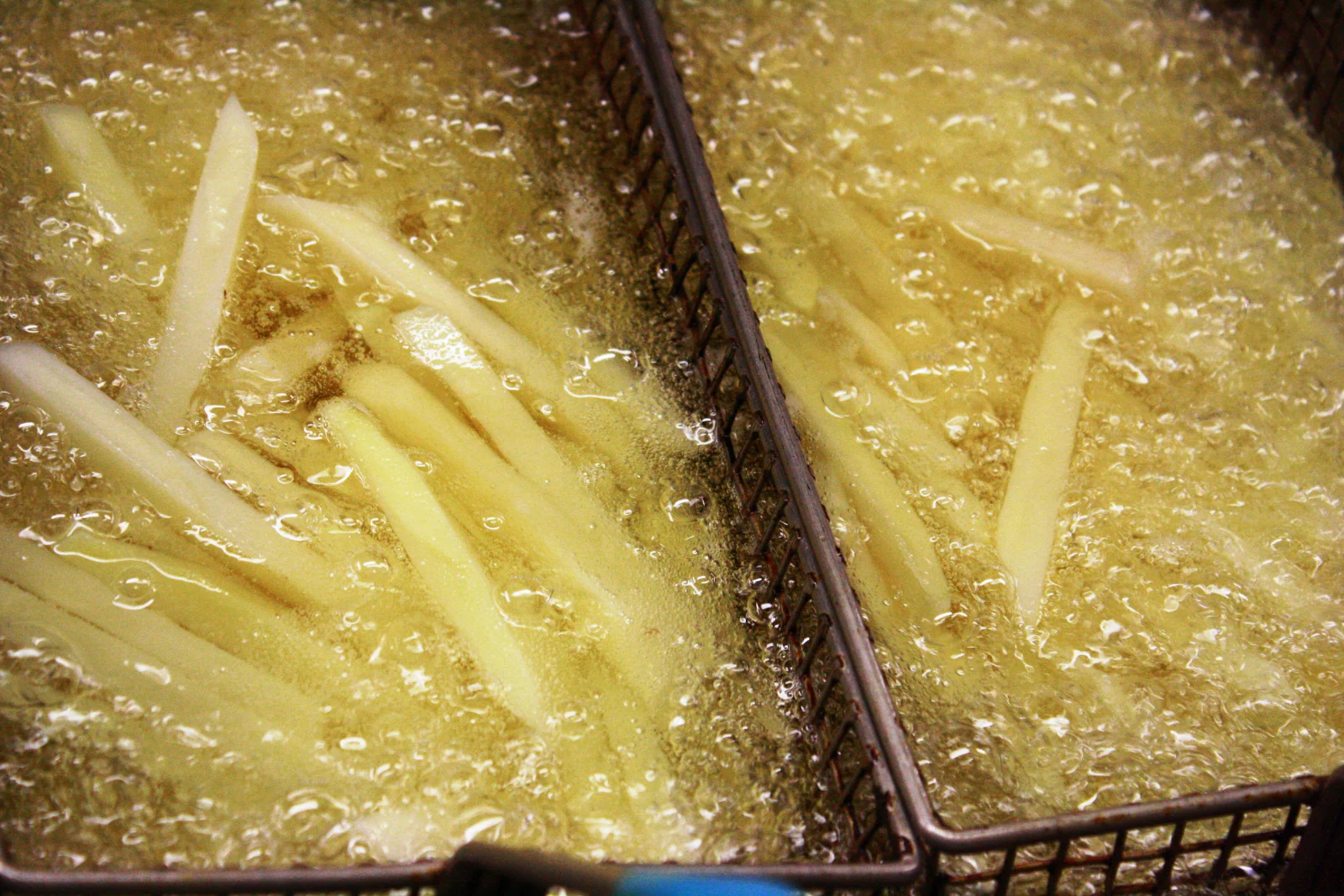
How Restaurants Achieve Frylow Oil Quality Improvement
In the bustling world of culinary arts, maintaining high-quality cooking oil is a crucial aspect that significantly impacts both the flavor and healthfulness of food. Restaurants are constantly on the lookout for innovative solutions to enhance their frying oil’s performance and longevity. One such groundbreaking technology that has gained traction in recent years is Frylow, a device designed to improve oil quality and extend its life.
Frylow operates on a simple yet effective principle: it modifies the molecular structure of frying oil through ionization. By doing so, it reduces the oxidation process that typically degrades oil quality over time. This reduction in oxidation not only extends the lifespan of the Frylow oil quality improvement but also ensures that food fried in this enhanced environment emerges crispier and less greasy. The benefits are multifaceted—restaurants save money by reducing their frequency of oil changes while simultaneously delivering superior-tasting dishes to their customers.
The implementation of Frylow begins with its installation into existing fryers, which is a straightforward process requiring minimal disruption to kitchen operations. Once installed, Frylow immediately starts working its magic by lowering free fatty acids (FFAs) within the oil. High levels of FFAs are notorious for causing unpleasant flavors and odors; thus, keeping these levels low is essential for maintaining high-quality output from any fryer.
Moreover, restaurants using Frylow report significant reductions in acrylamide formation—a chemical compound formed during high-temperature cooking processes like frying—which has been linked to various health concerns. By mitigating acrylamide production, establishments not only comply with increasingly stringent health regulations but also promote healthier dining experiences for their patrons.
Operational efficiency sees notable improvements as well when utilizing Frylow technology. Kitchens can operate more smoothly without frequent interruptions caused by necessary oil changes or fryer maintenance issues related to degraded oils. This seamless operation allows chefs to focus more on crafting exquisite dishes rather than managing equipment problems.
Customer satisfaction naturally follows suit as diners enjoy meals prepared with consistently fresh-tasting oils that enhance rather than overpower natural flavors. Word-of-mouth recommendations often increase as patrons appreciate both the taste and perceived health benefits offered by restaurants employing advanced technologies like Frylow.
Ultimately, adopting Frylow aligns with broader industry trends towards sustainability and cost-effectiveness without compromising quality or customer experience—a win-win situation for restaurateurs aiming to stay competitive in an ever-evolving market landscape.
In conclusion, embracing innovations such as Frylow represents an intelligent step forward for restaurants striving toward excellence in culinary artistry while ensuring economic viability amidst rising operational costs—proving once again that even small technological advancements can yield substantial rewards across multiple facets of restaurant management.